
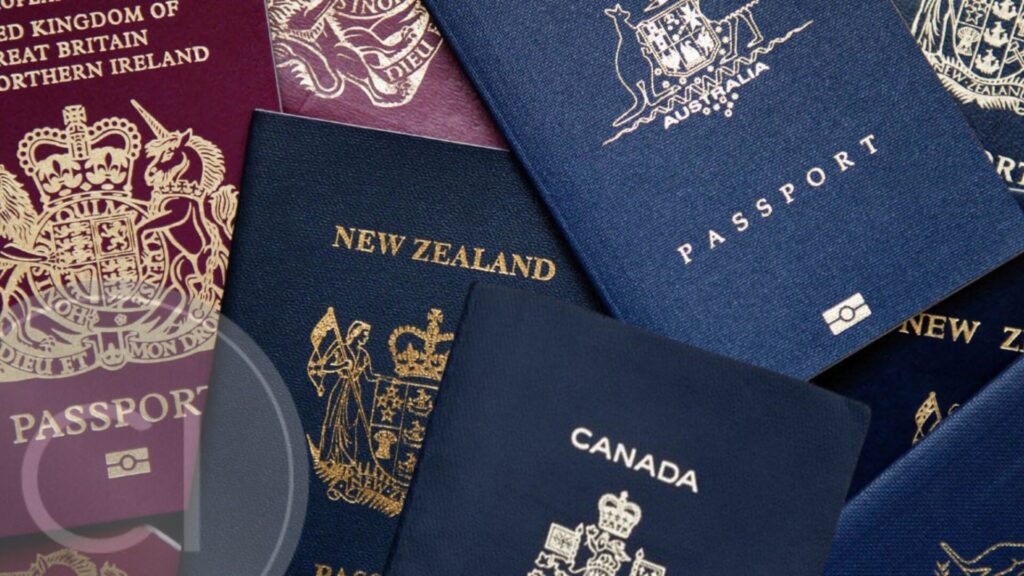
In 2026, Top Ranked Passports reveal a world of increasingly unequal global mobility. The strongest passports grant access to 175–180 destinations without a traditional visa. Many countries still face restrictions for more than half of international travel. Asia and Europe continue to dominate the top positions. That reflects long-term diplomatic engagement, economic stability, and high levels of international trust. At the same time, passport strength has become a strategic asset for governments and individuals. It shapes travel freedom, economic opportunity, and global influence.
Passport rankings are primarily based on international mobility. The measure is the number of destinations a passport holder can access without obtaining a visa in advance.
In 2026, rankings typically evaluate access to approximately 225–230 destinations worldwide. That includes sovereign states and select territories.
Access categories generally include:
Destinations requiring a pre-approved embassy visa are excluded from the count. Travel access remains the core metric. Passport strength also increasingly reflects broader considerations. Diplomatic reciprocity matters. Border trust matters. So does the perceived reliability of travel documents.
| Rank | Country | Visa-Free / Visa on arrival |
| 1 | United Arab Emirates | 180 |
| 2 | Singapore | 175 |
| 3 | Spain | 174 |
| 4 | Japan | 174 |
| 5 | Belgium | 173 |
| 6 | France | 173 |
| 7 | Germany | 173 |
| 8 | Sweden | 173 |
| 9 | Netherlands | 173 |
| 10 | Finland | 173 |
These passports allow holders to travel to over 75% of the world with minimal administrative barriers.
The UAE maintains its leading position through sustained diplomatic expansion. Since 2010, it has added over 161 visa-free destinations. That makes it the fastest-rising passport globally over the past decade. Strategic bilateral agreements have been central to this ascent. Strong border security standards matter too. Economic openness also matters.

Countries such as Singapore, Japan, and South Korea continue to benefit from:
Their citizens enjoy near-unrestricted global travel. Access covers 170+ destinations. That places Asia-Pacific passports among the most valuable worldwide.
European passports dominate the upper ranks due to a dual advantage:
This internal mobility significantly increases the real-world value of European citizenship beyond raw destination counts.
The strongest regional performer overall. Several passports exceed 170 visa-free destinations. That reflects decades of economic integration and diplomatic consistency.
Europe offers the most balanced mobility. While not always ranking first individually, European passports combine strong global access with unmatched internal freedom of movement.
The region shows the most dramatic long-term improvement. Strategic diplomacy and normalization efforts have transformed mobility outcomes, particularly in the Gulf.
Canada remains the strongest passport in the region, offering access to 170+ destinations. The United States continues a gradual decline from its historical peak. It now ranks below several European and Asian counterparts.
African passports face structural limitations. Average access ranges from 60–80 destinations. However, Mauritius and Seychelles outperform regional peers. That shows the impact of targeted diplomatic strategies.

The gap between the strongest and weakest passports now exceeds 100 destinations. Nationality is one of the clearest predictors of global mobility.
Visa-free access is no longer incidental. It reflects deliberate foreign policy choices. It reflects long-term negotiations. It also reflects trust-building.
Sanctions, conflicts, and diplomatic breakdowns can rapidly reduce travel access. That can happen within a single year.
Countries perceived as low-risk benefit from broader access. That reinforces the link between governance quality and international mobility.
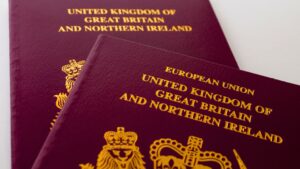
For individuals, passport strength directly affects:
A top-tier passport can eliminate visa requirements for 80–90% of global travel. That saves time, costs, and administrative uncertainty. As a result, interest in second citizenship and long-term residency options continues to rise. Entrepreneurs, investors, and remote professionals lead that interest.
The world’s top-ranked passports in 2026 reveal far more than travel convenience. They reflect global trust, diplomatic reach, and geopolitical alignment. As mobility becomes an increasingly valuable personal and economic asset, passport power will continue to shape individual opportunities and national strategies.
In a world where borders still matter, the strength of a passport remains one of the most telling indicators of how freely a citizen can navigate the global landscape.
To find out where your own passport stands in this evolving landscape of global mobility, you can visit our CI Passport Rank website. There, you’ll be able to compare travel access, understand your level of visa-free freedom, and explore what it truly means for your international opportunities.