

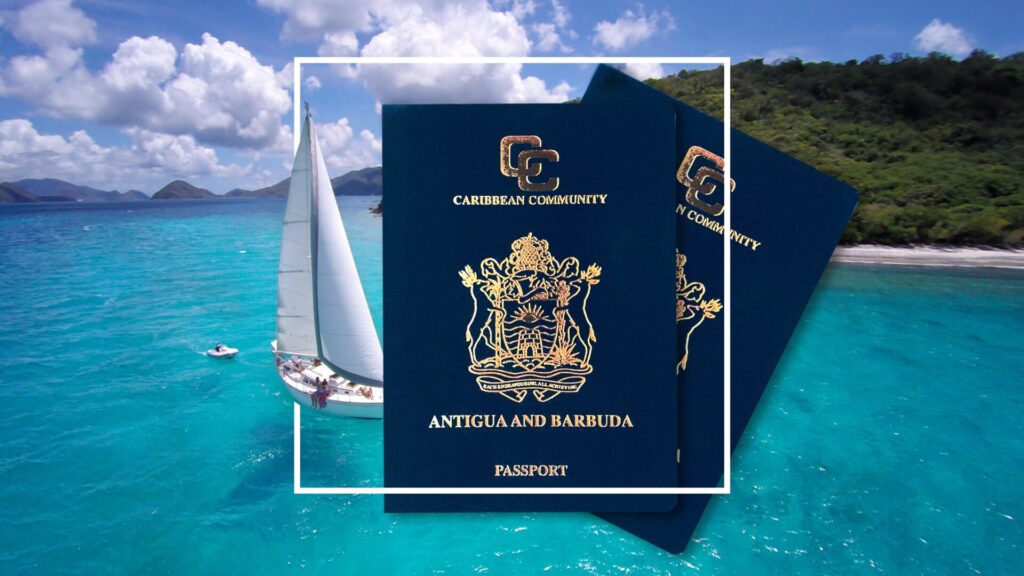
Developing countries are increasingly adopting innovative strategies to spur growth and development. The Caribbean Five, comprising the Eastern Caribbean countries of Antigua & Barbuda, Dominica, Grenada, and St. Kitts & Nevis St. Lucia, are no different. The countries’ Citizenship by Investment (CBI) programs have emerged as transformative causes. They bolster a nation’s economic standing. They also contribute to positive socio-economic change.
Today, Caribbean Five’s Citizenship by Investment programs are among the most sought-after. The revenues make up a considerable part of the nations’ modest economies. They reach 30% of their GDP and 50% of the liquid funds available to the government. The cost of a CBI application starts at a contribution of USD 100,000. The cost increases depending on the size of the application. It also depends on the specific program and the investment option chosen. For example, the cost to apply for a CBI program through a real estate investment starts from USD 200,000.
One of the primary ways CBI programs contribute to a nation’s development is through substantial investments in infrastructure projects. Roads, schools, and hospitals are examples. In fact, Dominica’s Prime Minister, Dr Roosevelt Skerrit, recently lauded the CBI country’s tangible impacts on communities like Bellevue Chopin, Grandbay, Castle Bruce, and San Sauveur. Funds supported construction of numerous homes. Water systems improved too. In the healthcare sector, the Marigot Hospital was also funded by the CBI program. It is a 40,000-square-foot facility with various medical services. Furthermore, ongoing developments at international airports signify progress in infrastructure enhancement.
The impact of CBI Programs is also visible in Grenada’s healthcare and educational sectors. Investments have facilitated the modernisation of healthcare facilities. That includes the General Hospital in St. George’s. St. George’s University, a crucial educational institution, has also benefited. These initiatives improve the quality and accessibility of healthcare services. They also elevate the country’s standing as an educational hub in the Caribbean.
Furthermore, St. Lucia has introduced an infrastructure option in February 2024 as part of its CBI program. It invests foreign capital in various infrastructure projects aimed at enhancing the nation’s development. Examples include specialist restaurants and cruise ports. Agro-processing plants and pharmaceutical production facilities are included. Critical infrastructure like ports and roads is included. Research institutions, offshore universities, housing and social development projects, and investment services are included too.
The infusion of capital into infrastructure projects enhances a country’s physical connectivity. It also improves the overall quality of life for its citizens. Access to better education, healthcare, and transportation networks becomes a reality. Communities rise. An environment conducive to sustainable development follows.
In addition to supporting large-scale projects, the influx of foreign investment from CBI programs also stimulates the growth of local industries. Businesses expand to accommodate increased demand. New job opportunities emerge. Dominica’s Prime Minister, Dr Roosevelt Skerrit, discussed how a benefit from the CBI Program includes the implementation of the National Employment Program (NEP). This has played a pivotal role in alleviating poverty. It has provided citizens with new homes. It has also offered financial assistance for post-hurricane recovery.
The direct contributions to the government from the CBI programs also empower smaller nations to achieve sustainable growth independently. That mitigates the need for international aid. According to the IMF, “St. Kitts and Nevis entered the Covid-19 pandemic from a position of fiscal strength following nearly a decade of budget surpluses. A significant part of the large CBI revenues was prudently saved, reducing public debt below the regional debt target of 60 per cent of GDP and supporting the accumulation of large government deposits.”
CBI Programs have also helped facilitate the sustainable development goals of the countries. The significance of this was underscored during the COP-28 conference held in Dubai, UAE. That event highlighted the urgent concerns of Small Island Developing States (SIDS). They are the most vulnerable to the impacts of climate change and climate-driven disasters. The delegations led by the Prime Ministers of Dominica and St Kitts and Nevis actively participated in the discussions. Prime Minister Dr Terrance Drew of St Kitts and Nevis issued a call to action for international partners. He urged collaboration in the collective effort to combat the climate crisis. In their respective countries, CBI programs have also been doing their part. Funds go to environmentally conscious projects. Those projects align with sustainable and responsible practices.
Dominica is working relentlessly to develop climate-resilient infrastructure. That includes schools, houses, hospitals, health care centres, emergency shelters, roads and bridges. A key outcome is also the Geothermal Power Plant. It is set to significantly lower electricity costs in Dominica. It is also set to increase the share of renewable energy in the country’s energy mix from 25 to 51%. Greenhouse gas emissions would fall by 38,223 tons of CO2 per year.
Antigua and Barbuda has also showcased a commitment in this space by directing investments to the National Development Fund (NDF). That public financing mechanism is dedicated to fostering sustainability. It supports projects such as renewable energy and sustainable infrastructure. It also supports investments in education and healthcare. Regulations are also in place to oversee the real-estate developments which are a main offering of CBI programs. The Environmental Protection and Management Act of 2011 mandates that developers conduct environmental impact assessments before commencing construction. That helps ensure projects do not harm the environment. Investing in these specific real estate projects enables investors to aid the country in reducing its carbon footprint. It can create employment opportunities. It can safeguard natural resources. It can generate revenue. Investors can still enjoy the benefits of second citizenship.
Citizenship by Investment programs have emerged as a powerful tool for fostering positive change in developing nations. By attracting foreign investment, these programs contribute to infrastructure development. They contribute to job creation. They contribute to environmental conservation. That leads to a holistic improvement in the socio-economic landscape. Citizens can receive a better quality of life. As nations continue to navigate the challenges of economic transformation, CBI programs stand out as beacons of hope. They offer a pathway to both financial prosperity and social well-being.