

In the world of Citizenship by Investment (CBI) and residency by investment programs, development speed matters. Investors are no longer looking only for visa-free travel. They are no longer looking only for a second passport as an insurance policy. Increasingly, they seek long-term value. Political stability matters. Infrastructure growth matters. International relevance matters. So does the chance that today’s emerging destination becomes tomorrow’s strategic hub.
In this year 2026, a new group of countries is standing out. They are not necessarily already wealthy. They are developing fast, deliberately, and visibly. These countries are investing heavily in infrastructure. They are investing in financial systems, tourism, logistics, and governance reforms. For Citizenship by Investment investors, this momentum can translate into stronger global mobility. It can improve quality of life. It can raise real-estate values. It can also enhance the international standing of the passport itself.
Below are some of the fastest-developing countries to watch in 2026 through a Citizenship by Investment lens. Economic acceleration and global positioning intersect here with citizenship or residency investment appeal.
Several Caribbean nations with established Citizenship by Investment programs continue to punch well above their weight in development speed. What makes them especially relevant is how they reinvest CBI capital. Funds go into infrastructure, climate resilience, healthcare, and tourism.
Over the past decade, Citizenship by Investment funded development has transformed airports, ports, hospitals, and luxury hospitality across the region. In 2026, this trend is expected to deepen. Greater focus will sit on:
An important new development in the Caribbean landscape is the expected launch of a Citizenship by Investment program in Saint Vincent and the Grenadines. Its entry into the CBI programs reflects the region’s continued use of investment migration as a structured development tool. Early signals point toward infrastructure upgrades. They also point toward climate resilience initiatives and economic diversification as core priorities.
For investors, these developments matter. They strengthen the credibility and durability of Caribbean citizenship. A passport backed by a stable, improving economy and transparent institutions is more likely to retain visa-free access. It is also more likely to retain international trust over time. As global compliance standards tighten, countries that demonstrate real development are better placed to keep that trust.

Turkey remains one of the most dynamic CBI jurisdictions. Its unique position sits between Europe, Asia, and the Middle East. Its development story is not linear. It is undeniably fast. Massive investments continue in transport infrastructure. Healthcare systems, housing, and industrial capacity are also being reshaped.
For CBI investors, Turkey’s appeal lies in:
By 2026, Turkey’s continued urban expansion and infrastructure upgrades are likely to reinforce long-term citizenship value. That is especially true in major cities and logistics corridors. Citizenship may come through real estate or capital investment. Macroeconomic volatility remains a consideration. Still, speed of development and scale give Turkey a distinct edge in the CBI space.

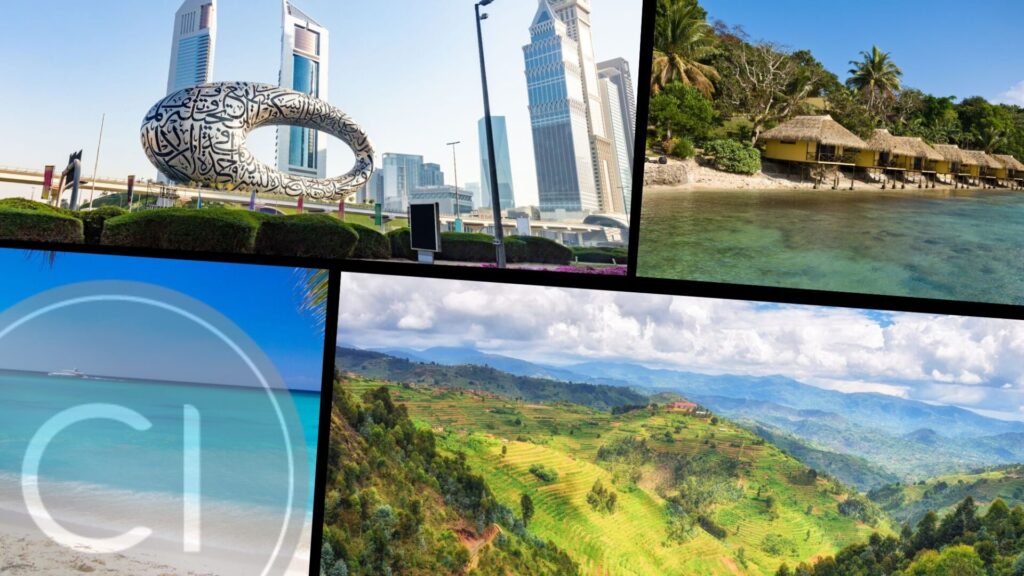
Although the UAE does not offer traditional CBI, it is increasingly relevant in the investment migration ecosystem. Fast-evolving long-term residency and golden visa frameworks drive that relevance. What sets the UAE apart is how development, lifestyle, and global connectivity are tightly integrated.
The country’s development trajectory heading into 2026 includes:
For investors using residency as a strategic alternative to citizenship, the UAE’s pace of development enhances its role as a hub rather than a fallback. Many CBI investors now pair a second passport elsewhere with UAE residency. That can optimize mobility, business access, and lifestyle.

Egypt is one of the most ambitious fast-developing countries to watch in 2026. Its citizenship-by-investment framework is relatively young. The country’s scale and development push are significant.
Key drivers include:
For CBI investors, Egypt represents a high-potential, longer-horizon play. It is not primarily sought for visa-free travel today. Its development speed and regional importance could translate into stronger global relevance over time. As infrastructure matures and governance frameworks improve, early investors may benefit from rising asset values. They may also benefit from increased international engagement.

Rwanda is often cited as a model for fast, governance-driven development. It does not currently run a traditional CBI program. Its relevance to the investment migration world is still growing. Transparency, digital systems, and ease of doing business drive that interest.
By 2026, Rwanda’s development trajectory may influence future residency or investment-linked status options. That is especially true as African countries explore structured ways to attract global capital. For investors thinking ahead of the curve, Rwanda represents a jurisdiction where development speed and policy discipline could eventually intersect with migration opportunities.

Jordan’s development story is less flashy. It is strategically important. In a region marked by volatility, Jordan has positioned itself as a stability-first economy. It invests in infrastructure, healthcare, education, and services. It also maintains investor-friendly citizenship and residency pathways.
For investors, Jordan offers:
Heading into 2026, Jordan’s steady development pace may appeal to investors prioritizing reliability over rapid speculation. That is especially true for those seeking a Middle Eastern foothold with lower political risk.

Vanuatu remains one of the fastest citizenship programs in the world and its development pace is increasingly aligned with that speed. Revenue from citizenship programs has supported infrastructure upgrades. It has also supported disaster resilience and government capacity building.
In 2026, continued development in aviation, digital services, and regional connectivity could enhance the long-term standing of Vanuatu citizenship. For CBI investors, the key question is sustainability. Countries that reinvest wisely and maintain compliance standards will retain credibility. Those that do not risk reputational erosion.

In the next phase of investment migration, passport strength will be tied less to promises and more to performance. Fast-developing countries offer three advantages to CBI investors:
In 2026, the smartest CBI decisions will not focus solely on today’s rankings. They will focus on where a country is heading. They will focus on how fast it is getting there. They will also focus on whether its development model is sustainable.