

In a press release yesterday the 27th of July 2023, the Government of St Kitts and Nevis took a bold step. It further revolutionizes its Citizenship by Investment Programme. This builds on earlier changes made in December 2022.
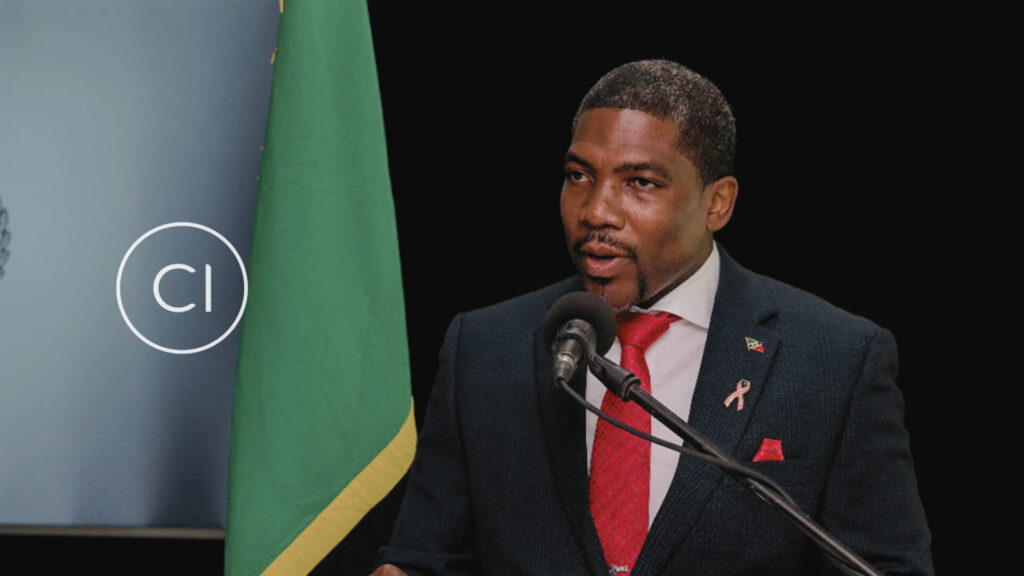
Prime Minister the Hon. Dr. Terrance Drew expressed the government’s dedication, stating, “Today, St Kitts and Nevis takes another bold step in reaffirming our intention to not only offer the best Citizenship by Investment Programme in the world but also to offer a programme held together by a tight regulatory system designed to be a best-in-practice defense mechanism against illicit actors and those who try to bypass our high-end investment and contribution options. We are continuously committed to preserving the exclusivity and prestige associated with being a citizen of St Kitts and Nevis.”
The new changes introduce a groundbreaking investment option. It is called the Sustainable Island State Contribution (SISC). It replaces the previous Sustainable Growth Fund (SGF). Investors contributing to SISC will help advance St Kitts and Nevis as a Sustainable Island State. The model rests on seven pillars. One is increasing local food production. One is transitioning to green energy. One is diversifying the economy. Another is supporting sustainable industries.
The investment options have been refined. The aim is to attract distinguished applicants. Those applicants should be committed to the country’s growth and development.
Contributions for the Sustainable Island State Contribution start from US$250,000 for a single applicant. Costs rise with spouses or dependents. Prescribed contributions are:
The Developer’s Real Estate Option minimum is now US$400,000. The previous minimum was USD 200,000. The property must be held for at least 7 years. The original purchaser can resell it only once.
Under the regulation, approved minimum investments are:
The property must be held for 7 years. It cannot be resold to another purchaser by default. Resale may be allowed if the Federal Cabinet finds substantial investment was injected into the unit. Construction or renovation can qualify.
An innovative pathway was introduced through Approved Public Benefit Projects. High net worth individuals can qualify for Citizenship by Investment under this option. The minimum contribution is US$250,000 to an Approved Public Benefactor.
Due Diligence Fees have also increased. The Main Applicant fee rose from USD 7,500 to USD 10,000. For dependents aged 16 and above, the fee rose from USD 4,000 to USD 7,500. Siblings and grandparents no longer qualify as dependents. Parents must be at least 65 years old at application to be included.
The 60-day accelerated application option is gone. Premium due diligence no longer unlocks that route.
A mandatory interview for investors was also introduced. It can be virtual or in person. Independent professional firms commissioned by the Citizenship by Investment Unit conduct it. Independent firms from the United Kingdom, USA, and Europe will also run background checks. That supports rigorous screening.
After application approval, all processes must be complete. Due diligence must be complete. The investment must be made. The main applicant then receives a Certificate of Registration. It must be collected in person in St. Kitts and Nevis. It may also be collected at an approved Embassy or Consulate. The Citizenship by Investment Unit specifies the location. The Board of Governors must approve it.
Mr. Michael Martin, Head of St Kitts Citizenship by Investment Unit, emphasized the importance of evolving with the times, saying, “In this ever-changing and unpredictable world, it is imperative that the Government of St Kitts and Nevis and its Citizenship by Investment Programme continue to adapt to the needs of our people and to attract the right kind of international investment necessary to uplift our country.”
The changes aim to boost stakeholder confidence. They also aim to elevate the country’s global reputation. The goal is to remove potential threats to its CBI programme.