
As global economic landscapes shift, an increasing number of African investors are exploring pathways that offer more than just returns. They also seek freedom of movement. They are more than ever well-positioned to invest in this freedom.
According to the 2024 Africa Wealth Report, the African continent currently holds USD 2.5 trillion in investable wealth. Its millionaire population is projected to grow by 65% over the next decade. Additionally, the IMF forecasts Sub-Saharan Africa to grow by 4% in 2024, making it the second-fastest-growing region after Asia.
The Africa Wealth Report further revealed that Africa is home to 135,200 high-net-worth individuals (HNWIS) with liquid investable wealth of USD 1 million or more. There are also 342 centi-millionaires and 21 billionaires. The continent’s ‘Big 5’ wealth markets account for 56% of its millionaires and over 90% of its billionaires:
Against this backdrop, wealth migration is on the rise. Approximately 18,700 HNWIS have left Africa between 2013 and 2023. Among the 54 African-born billionaires globally, including Elon Musk, only 21 still reside on the continent. Most have relocated to the UK, USA, Australia, and the UAE. Others have settled in France, Switzerland, Monaco, Portugal, Canada, and New Zealand.
There are several key drivers behind the rise in elite migration from Africa. One of the most pressing issues is limited global mobility. Many African passports offer restricted visa-free access. That makes international travel for business, education, or family purposes challenging.
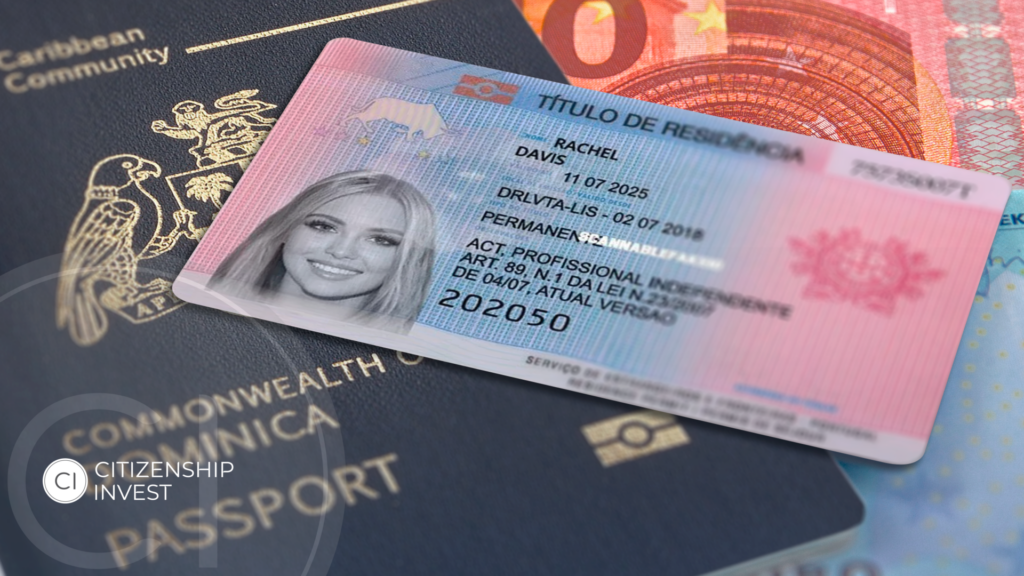
In response, many African high-net-worth individuals (HNWIS) are turning to Golden Visas and Citizenship by Investment (CBI) programmes. These are strategic tools to secure international access, financial security, and long-term opportunities for their families.
Golden Visas provide long-term residency, though not immediate citizenship, in exchange for a qualifying investment. Investments are typically in real estate, business ventures, or government bonds. These programmes grant the right to live, work, and study in the host country. Family members are often included. They also offer a pathway to citizenship after several years of residency.
In contrast, CBI programmes grant full citizenship within months. They usually do so without any physical residency requirement. Investments are commonly directed toward national development funds or real estate. The resulting passports offer visa-free or visa-on-arrival access to a vast network of countries.
Each option offers distinct advantages. Each has fostered a growing community of African HNWIS. They benefit strategically from their second citizenship or residency. They also contribute meaningfully to their chosen countries’ economies.
This trend is notable in Europe. Portugal has quietly emerged as a continental favourite. Reasons include its attractive Golden Visa scheme, favourable tax regime, and EU access. By 2022, 25% of Golden Visas were issued to African nationals. Hotspots like Lisbon, Porto, and the Algarve offer both lifestyle appeal and 4–5% yields. The Non-Habitual Residency (NHR) programme adds to the allure. It offers significant tax breaks for new residents. Portugal offers residency by investment starting with a capital transfer of EUR 250,000.
Meanwhile, Caribbean citizenship by investment (CBI) programmes have gained traction among African entrepreneurs. They seek speed, flexibility, and diversification. The Caribbean countries of Antigua and Barbuda, St. Kitts and Nevis, Grenada, Dominica and St. Lucia offer second citizenship within three to six months. Benefits include visa-free travel and no relocation requirements.
Antigua and Barbuda topped enquiries from African clients in 2023. St. Lucia and St. Kitts followed closely. Beyond mobility, these programmes offer peace of mind. They grant access to world-class education, healthcare, and a more secure lifestyle. Investors can obtain a Caribbean passport starting from USD 200,000.
Dubai continues to rise as a premier destination for Africa’s affluent. It offers a rare mix of luxury, lifestyle, and financial advantage from an investment of AED 2 million (USD 550,000).
For many HNWIS from South Africa, Nigeria, Kenya, and beyond, the city’s tax-free environment is compelling. So is its dynamic economy and strong real estate returns. According to the Dubai Land Department, foreign property investment soared by 70% between 2020 and 2023. African buyers showed strong interest in premium districts like Palm Jumeirah and Dubai Marina. The city’s Golden Visa programme grants long-term residency with no income tax. It attracted African nationals to the extent that by 2022, they made up 10% of all applicants.
The U.S. also continues to attract Africa’s wealthiest families. It offers an unmatched diversity of investment, education, and residency options. Real estate remains a key entry point—from New York penthouses to Miami beachfront homes. Interest is also rising in the EB-5 Immigrant Investor Program. It grants residency in exchange for job-creating capital.
Since 2017, African participation in EB-5 has grown by 15%, led by applicants from Egypt and Nigeria. At the same time, African HNWIS are increasingly funnelling capital into Silicon Valley startups. They hope to back the next tech giant. Education remains a core motivation as well. Over 35,000 African students were enrolled in U.S. institutions as of 2022.
As African wealth expands and mobility becomes a strategic necessity, Golden Visa and Citizenship by Investment programmes are no longer fringe considerations. They are essential tools for future-proofing families, securing legacy, and unlocking global opportunity.
With the proper guidance, these investment migration pathways open doors abroad. They also empower African investors to shape their legacy globally. They can do so while maintaining strong ties to the continent’s future. Speak to our experts at Citizenship Invest today.